
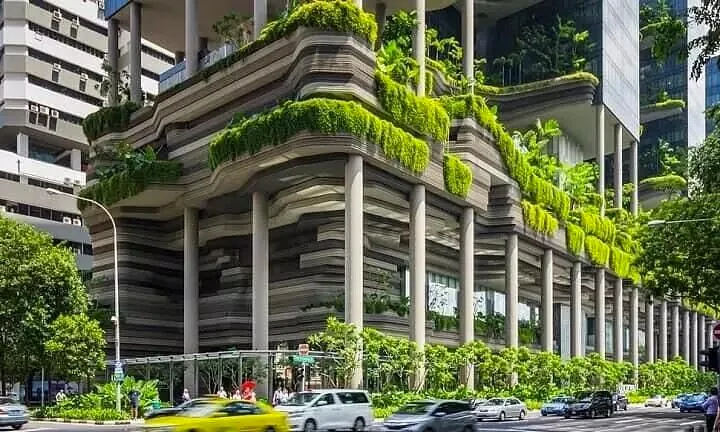
Housing design is undergoing a major transformation as environmental awareness, rising energy costs, and urban expansion reshape how homes are planned and built. Sustainable architecture is no longer a niche concept—it is becoming the foundation of future residential living. Today’s homes are being designed to conserve resources, improve health, and adapt to changing climate conditions while maintaining comfort and functionality.
This shift reflects a growing recognition that the built environment plays a central role in shaping long-term environmental stability and everyday quality of life.
What Sustainable Architecture Means in Modern Housing
Sustainable architecture focuses on designing homes that minimize environmental impact while maximizing efficiency and livability. It integrates materials, energy systems, and spatial planning strategies that support long-term ecological balance.
Key principles include:
- Efficient energy usage
- Responsible material selection
- Reduced construction waste
- Water conservation strategies
- Climate-responsive building orientation
Together, these approaches help create homes that perform better over time without compromising comfort.
Energy-Efficient Homes Reducing Long-Term Costs ⚡
Energy performance has become one of the most important aspects of modern residential design. Sustainable homes reduce dependence on non-renewable resources by incorporating intelligent building systems.
Common energy-saving solutions include:
- Solar panel integration for renewable electricity generation
- High-performance insulation for temperature stability
- Smart ventilation systems improving indoor airflow
- Energy-efficient lighting and appliances
These features not only reduce environmental impact but also significantly lower monthly utility expenses.
Passive Design Strategies Improving Indoor Comfort
Passive architectural techniques allow homes to remain comfortable throughout the year without heavy reliance on mechanical heating or cooling systems.
Examples of passive design features include:
- Strategic window placement for daylight optimization
- Cross-ventilation layouts enhancing airflow
- Thermal mass materials regulating indoor temperature
- Shading structures protecting interiors from excessive heat
Passive design ensures homes stay naturally comfortable while conserving energy.
Eco-Friendly Building Materials Supporting Healthier Living 🌿
Material selection plays a critical role in sustainable residential architecture. Modern homes increasingly use environmentally responsible alternatives that reduce pollution and improve indoor air quality.
Popular sustainable material choices include:
- Recycled steel and reclaimed wood
- Low-emission paints and finishes
- Bamboo flooring and panels
- Locally sourced construction materials
These materials contribute to healthier interiors while lowering the carbon footprint of construction.
Water Conservation Systems Becoming Standard Features 💧
Water efficiency is now an essential component of forward-thinking residential design. Sustainable homes incorporate systems that reduce consumption and reuse available resources responsibly.
Typical water-saving features include:
- Rainwater harvesting installations
- Low-flow plumbing fixtures
- Greywater recycling systems
- Landscape designs requiring minimal irrigation
These strategies help households manage water resources more effectively, especially in regions facing supply challenges.
Smart Technology Supporting Sustainable Living
Technology plays a growing role in improving the environmental performance of homes. Intelligent monitoring systems help residents track and adjust their consumption patterns in real time.
Examples of smart sustainability tools include:
- Automated lighting controls
- Smart thermostats adjusting temperature usage
- Energy monitoring dashboards
- Remote appliance management systems
These tools empower homeowners to make informed decisions that reduce waste and increase efficiency.
Compact and Flexible Home Layouts Reducing Resource Demand
Future housing design emphasizes efficiency not only in materials and systems but also in space planning. Compact homes require fewer construction resources and consume less energy during operation.
Flexible layouts often include:
- Multi-purpose rooms
- Built-in storage solutions
- Convertible furniture arrangements
- Modular expansion possibilities
Efficient space usage ensures homes remain adaptable while maintaining sustainability goals.
Climate-Responsive Design Preparing Homes for Changing Conditions 🌦️
Modern sustainable homes are designed to respond to regional environmental conditions rather than resist them. Climate-responsive architecture improves resilience while maintaining comfort across seasons.
Important climate-adaptive strategies include:
- Elevated structures in flood-prone areas
- Heat-reflective roofing materials
- Natural shading through landscaping
- Wind-oriented building positioning
These solutions help protect homes from environmental stress while extending their lifespan.
Integration of Green Outdoor Spaces Enhancing Residential Environments
Outdoor design is becoming an important part of sustainable housing strategies. Landscaped terraces, courtyard gardens, and rooftop greenery support ecological balance while improving daily living experiences.
Benefits of integrating green spaces include:
- Improved air quality around homes
- Natural cooling effects during hot seasons
- Increased biodiversity in urban neighborhoods
- Better mental well-being for residents
Green outdoor environments strengthen the connection between people and nature within residential settings.
Future-Proof Homes Designed for Long-Term Sustainability
Sustainable architecture focuses not only on present needs but also on future adaptability. Homes are increasingly being planned with flexible infrastructure that supports technological upgrades and evolving lifestyle requirements.
Future-ready residential features often include:
- Electric vehicle charging readiness
- Renewable energy system compatibility
- Expandable structural frameworks
- Adaptable interior zoning
These innovations ensure homes remain functional and efficient for decades to come.
Frequently Asked Questions (FAQs)
1. Can sustainable homes perform well in extreme climates?
Yes, climate-responsive design techniques allow sustainable homes to function efficiently in both hot and cold environments by adapting materials and orientation accordingly.
2. Do sustainable houses require special maintenance compared to conventional homes?
Most sustainable homes require similar maintenance, though renewable energy systems and water reuse setups may need periodic inspection.
3. Are eco-friendly materials durable enough for long-term use?
Many sustainable materials are highly durable and often outperform traditional materials in resistance to wear and environmental stress.
4. How does sustainable architecture affect property value over time?
Homes with energy-efficient features and environmentally responsible systems often attract higher long-term resale interest.
5. Is sustainable housing suitable for small urban plots?
Yes, compact sustainable design strategies work especially well in limited urban spaces by maximizing efficiency and flexibility.
6. Can existing homes be converted into sustainable homes?
Many sustainability upgrades—such as insulation improvements, solar installation, and water-saving fixtures—can be added to existing structures.
7. What role do homeowners play in maintaining sustainability after construction?
Resident behavior, such as responsible energy use and water conservation practices, significantly influences how effective sustainability features remain over time.