
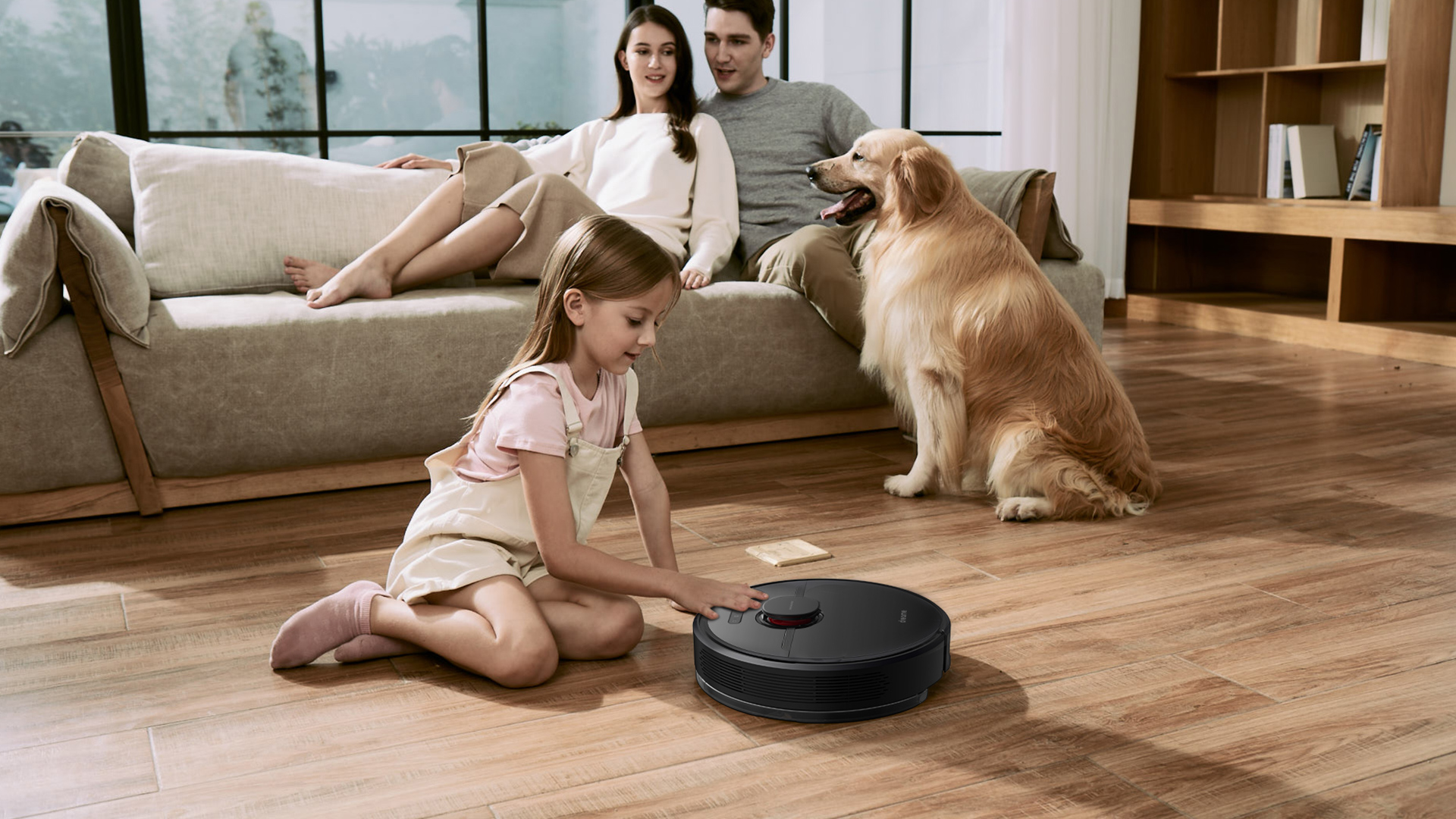
The rise of automated home cleaning has been a game-changer for busy households. The promise of returning to a freshly cleaned home without lifting a finger is a powerful one, and the robot vacuum has become a central figure in this revolution. These tireless devices navigate our living spaces, diligently suctioning up dust, pet hair, and daily debris. But for those living in multi-story homes, a critical question arises: Can a robot vacuum clean multiple floors?
The short answer is a resounding yes. Modern robotic vacuums have evolved far beyond their early bump-and-go ancestors. Thanks to sophisticated navigation and mapping technology, many models are now fully equipped to handle the complexities of a multi-level home. However, not all models are created equal, and understanding the features that enable this capability is key to choosing the right device. This guide will explore the technology, practicalities, and best practices for using a robot vacuum across different levels of your home.
The Technology Behind Multi-Level Cleaning
The secret to a robot vacuum’s ability to navigate more than one floor lies in its mapping technology. Advanced models use systems like LiDAR (Light Detection and Ranging) or vSLAM (Visual Simultaneous Localization and Mapping) to create detailed, accurate maps of your home’s layout. This isn’t just a single-use map; the most capable robots now feature multi-level mapping.
This crucial feature allows the device to create, store, and recall multiple distinct floor plans. When you move the robot from your main floor to the upstairs bedroom level, it uses its sensors to recognize its new surroundings. It then pulls up the corresponding map from its memory and begins its cleaning cycle, knowing exactly where the bedrooms, hallways, and bathrooms are. This prevents it from getting lost and ensures a systematic, efficient clean every time, regardless of which floor it’s on.
Key Features for a Multi-Story Home
When shopping for a robot vacuum specifically for a home with more than one level, certain features are non-negotiable.
- Multi-Level Mapping: This is the most critical feature. Ensure the model explicitly states that it can save and recognize multiple floor plans. Typically, a good model can store at least two to four different maps.
- Intelligent Floor Recognition: A truly smart robot won’t require you to manually select the floor map in an app. It should be able to identify its location automatically after being moved.
- Stair and Cliff Detection: This is a standard but vital safety feature. All robot vacuums are equipped with sensors to detect drop-offs like stairs, preventing them from taking a disastrous tumble.
- Long Battery Life: Cleaning multiple floors requires significant power. Look for a model with a long runtime to ensure it can complete a full cleaning cycle on any given floor without needing a premature recharge. Many advanced models also feature a “recharge and resume” function, where they will return to their dock to charge and then pick up cleaning where they left off.
- Portability: Since you will be physically moving the robot between floors, a model with a manageable weight and a convenient carrying handle can make the process much easier.
The Practical Side of Cleaning Multiple Floors
While the technology is impressive, there is still a manual component involved. The robot cannot climb stairs, so you will need to carry it between levels. This leads to a common question about the charging base. Do you need a base on every floor?
Not necessarily. You can have a single home base on your main floor. After the robot finishes cleaning an upper or lower level, it will simply return to its starting point on that floor and wait to be moved back to its charger. For ultimate convenience, however, investing in additional charging docks for each floor allows the robot to manage its own charging, no matter where it is. This creates a more autonomous “set it and forget it” system.
What About Mopping and Deeper Cleaning?
Many modern robotic vacuums are hybrid models that can both vacuum and mop. This functionality works seamlessly with multi-level mapping, allowing you to set no-mop zones on carpeted areas for each specific floor plan. This is perfect for daily maintenance and keeping floors consistently fresh.
However, for deep-seated grime or serious spills, a dedicated cleaning appliance often yields better results. For a truly deep clean on hard floors, a manual wet dry vacuum provides unparalleled power. These machines scrub floors with a clean water solution while simultaneously sucking up the dirty liquid, a task that requires more power and water capacity than a robotic hybrid can offer. The best strategy is often a combined approach: let the robot handle daily upkeep on all floors and pull out the more powerful wet dry vacuum for periodic, intensive deep cleaning sessions.
Setting Yourself Up for Success
To get the most out of your multi-floor robot vacuum, a little preparation goes a long way.
- Prep Each Floor: Before carrying your robot to a new level, do a quick tidying sweep. Pick up charging cords, shoes, and small toys to ensure an uninterrupted cleaning run.
- Customize Each Map: Use the companion app to your advantage. For your upstairs map, you might set virtual “no-go” zones around a pet’s water bowl or a delicate piece of furniture.
- Schedule Smartly: You don’t need to clean every floor every day. Create a schedule that assigns the robot to different floors on different days of the week to maintain a consistent level of cleanliness throughout the entire house.
With the right features and a simple routine, a robot vacuum is an excellent and highly effective tool for maintaining pristine floors throughout a multi-story home, freeing up your time for more important things.