
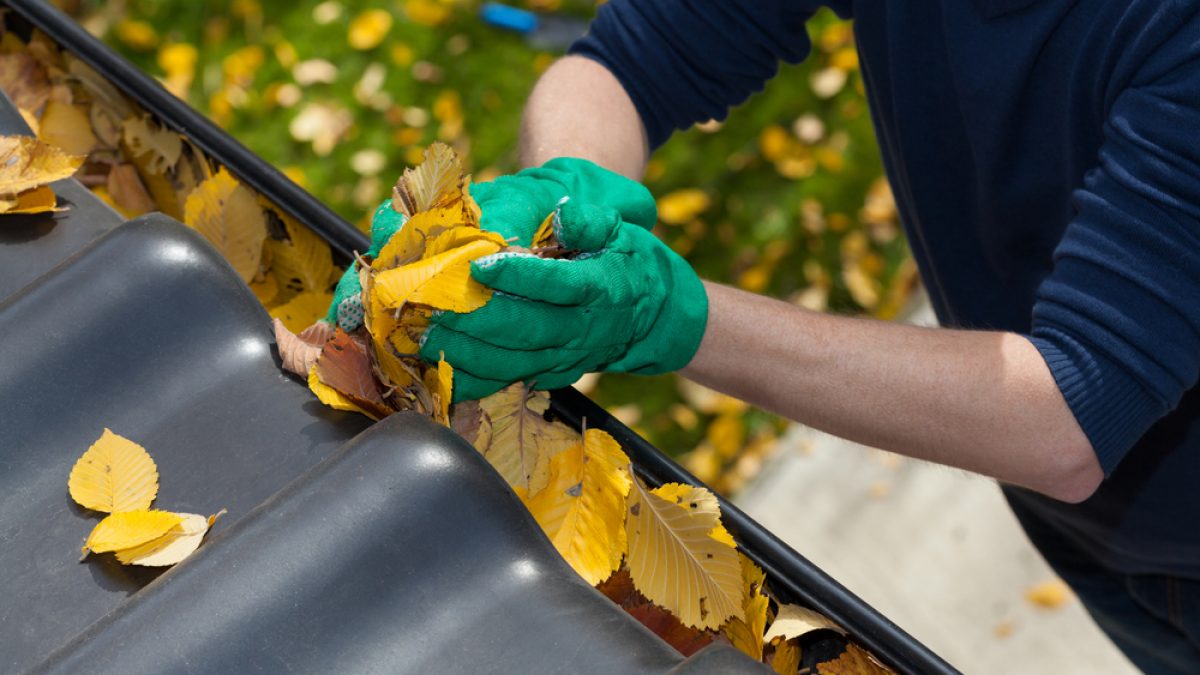
Weather across Minneapolis turns quickly from a dry afternoon to a downpour, and gutters take the brunt of that shift every single year. A system packed with leaves or loose at the seams sends water straight down the siding instead of away from the foundation, and that kind of runoff turns into ice, mold, or a cracked basement wall within a single season. Rain and snow test every part of a gutter system, and small gaps show up fast once the weather turns rough.
A reliable handyman Minneapolis sees the same pattern of calls each October: clogged downspouts, loose brackets, and gutters that pull away from the fascia board. This article lays out the checks worth a look before the first heavy rain or snow, so a small gutter problem does not turn into a bigger repair once the ground freezes.
Clear Debris Before the First Storm
Leaves, seed pods, and roof grit build up fast during a Minnesota fall, and a packed gutter cannot move water anywhere. A clear channel matters most right before the season’s first heavy rain, since a clog under pressure sends water over the edge and straight down the siding. A quick check after a windy day often catches a new clog before it becomes a real problem.
- Remove leaves and debris from gutters and downspouts
- Flush the system with a hose to confirm free flow
- Check for pooled water that signals a low spot or clog
Check Brackets, Seams, and Slope
Gutters need a slight slope toward each downspout to work at all, and that slope drifts over time as brackets loosen or wood fascia swells and shrinks with the seasons. A gutter that pulls away from the roofline often means a bracket needs a new screw or a full replacement before the extra weight of snow makes the problem worse. A quick tap along the run reveals loose spots that a visual check alone tends to miss.
- Tighten or replace loose hanger brackets
- Reseal seams and end caps with fresh gutter sealant
- Confirm the slope carries water toward each downspout
Protect the Downspouts and Foundation
Downspouts should carry water at least a few feet away from the foundation, since water dumped right at the base often finds its way into a basement or crawl space. Extensions, splash blocks, or a simple redirect fix this in an afternoon, and the payoff shows up the next time a heavy rain rolls through. A grade that slopes toward the house, rather than away from it, deserves the same attention, since even perfect gutters cannot fix a bad slope on their own.
What a Gutter Check in Minneapolis Usually Covers
A full gutter service typically covers a full clean-out, minor repairs, resealed seams, and reattached brackets, along with a check of fascia boards and roof edges for related damage. A background-checked technician can often pair this work with siding repair, exterior paint touch-ups, or deck maintenance during the same visit, since crews in the Minneapolis area handle most exterior trades in-house. That range turns one appointment into real protection for the whole exterior, not just the gutters.
A clean, well-anchored gutter system handles heavy rain and snow far better than one left untouched since spring. Small fixes now, like a bracket screw or a cleared downspout, prevent much larger repairs once ice and heavy snowmelt test every seam. A dependable handyman in Minneapolis can run through this whole checklist in a single visit, well before the first real storm. A little attention each fall keeps water exactly where it belongs, away from the roof, the siding, and the foundation.